lemon.markets Review 2026: Is It Safe, Legit, or a Scam?
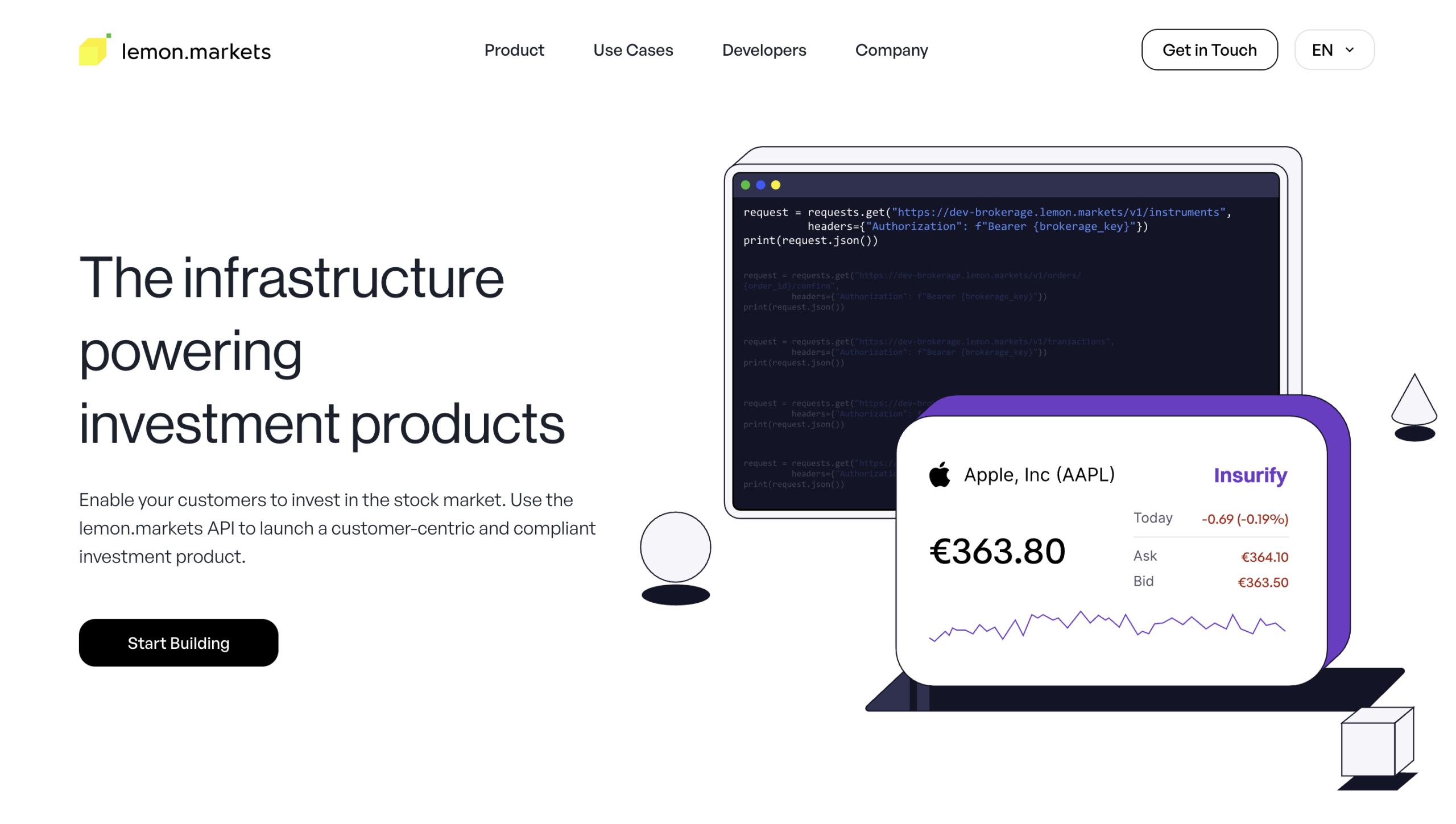
lemon.markets isn’t your typical ready-to-go trading bot. Instead, it’s more of an API platform where you can build and run your own trading strategies or bots. The company provides access mainly to European stock markets, meaning you can program trades directly with the API and handle execution yourself or through other integrations. From what I’ve seen, this setup is best for developers or traders who want full control and have coding skills. If you prefer buying a bot that takes care of everything, lemon.markets might not be that straightforward.
Here’s the thing: the platform’s goal is to empower users to automate or semi-automate trading based on their ideas. So it’s less about lemon.markets doing the work for you and more about providing the tools so you can program your own approach. This makes it a niche choice but potentially very flexible if you know how to code your strategies.
Many users still ask if lemon.markets is safe or a scam, and from what I found, lemon.markets operates transparently and is registered in Germany, which adds some level of trust. Since it’s an API service rather than a broker, it doesn’t handle client funds directly but connects you to brokers or trading accounts. This means your money stays with regulated financial institutions, which is a good sign for safety.
However, since it requires you to manage your own strategies and execution, your risk depends heavily on how your bot behaves or how you set things up. The platform itself doesn’t promise profits, and like with any trading, losses are possible. User feedback about lemon.markets trading performance shows a variety of experiences, mostly praising the flexibility but cautioning that misunderstandings or bugs in user-created algorithms could cause issues.
If I’m being honest, I couldn’t confirm this from public information whether lemon.markets holds specific licenses for financial advising or robo-advisors since it mainly offers infrastructure, so users should be cautious and test carefully.
Here’s how the lemon.markets trading bot works in 2026: it’s more of a blank canvas rather than a plug-and-play solution. You gain access to an API that allows you to write your own trading logic, automate buy/sell orders, and access market data. It supports designing almost any type of strategy you like, including technical indicators or event-driven trades, but you have to code these yourself or use third-party tools.
From what I’ve seen, lemon.markets strategies depend on the user building them, which is great for flexibility but means if you don’t have programming skills, the bot won’t really help you much. Some users shared real user experiences with lemon.markets trading bot that involved algorithmic trading with Python, which is the most common language supported.
If you want to experiment, lemon.markets offers backtesting options through its API and community tools, but user feedback about lemon.markets trading performance shows that results vary widely based on the strategy quality. So it’s important not to expect guaranteed success just because you have access to the platform.
lemon.markets pricing is pretty straightforward but varies depending on usage. There’s no costly subscription fee, which is refreshing compared to some bots that charge monthly. Instead, you pay per API call or trading volume, which can be cost-effective if you run limited trades. This pay-as-you-go setup means you won’t be stuck with a fixed price if you’re testing or trading lightly.
One caveat is that fees from the underlying brokers or exchanges you connect to still apply, so pricing depends partly on your broker’s terms. Also, if your strategies use a lot of market data calls or place many orders, costs might add up.
Overall, lemon.markets pricing seems reasonable if you’re actively coding and managing your own bot. But if you don’t trade much or aren’t sure about frequent API calls, the costs might be hard to predict. User feedback about lemon.markets pricing mentions some surprise at fees related to data access, so keep an eye on that.
The real user experiences with lemon.markets trading bot show mixed opinions on performance. Since the platform mainly offers API access to build your own bot, results mostly depend on the quality of the strategies users create. Some traders shared positive backtesting results, noting that lemon.markets gives good historical data and decent execution speed. However, others have pointed out that without solid coding and strategy skills, the bot won’t perform well on its own.
From what I’ve seen, the platform includes tools for backtesting, but this requires some technical knowledge to set up and interpret. Backtesting results can show promise but never guarantee future profits, and user feedback about lemon.markets trading performance reminds you there’s still a lot of trial and error involved.
If I’m being honest, I couldn’t confirm this from public information whether lemon.markets provides benchmark performance statistics from independent sources, so most performance insights come from user testimonials rather than official data.
User feedback about lemon.markets generally notes that the support team is responsive and helpful, especially given the technical nature of the platform. Since it’s more of a developer-focused service, the support leans towards guiding users on API-related questions rather than offering trading advice.
Some customer stories mention that the documentation is solid but can be tricky for beginners, which is understandable for a platform aimed at coders. Complaints mostly revolve around the learning curve and the fact that it’s not a plug-and-play product.
As for trust issues, I didn’t find any significant complaints or scams reported. Most negative comments relate to expectations—people who want a simple automated bot might find lemon.markets frustrating. Overall, the user opinions suggest it’s reliable if you know what you’re doing and willing to put in some work.